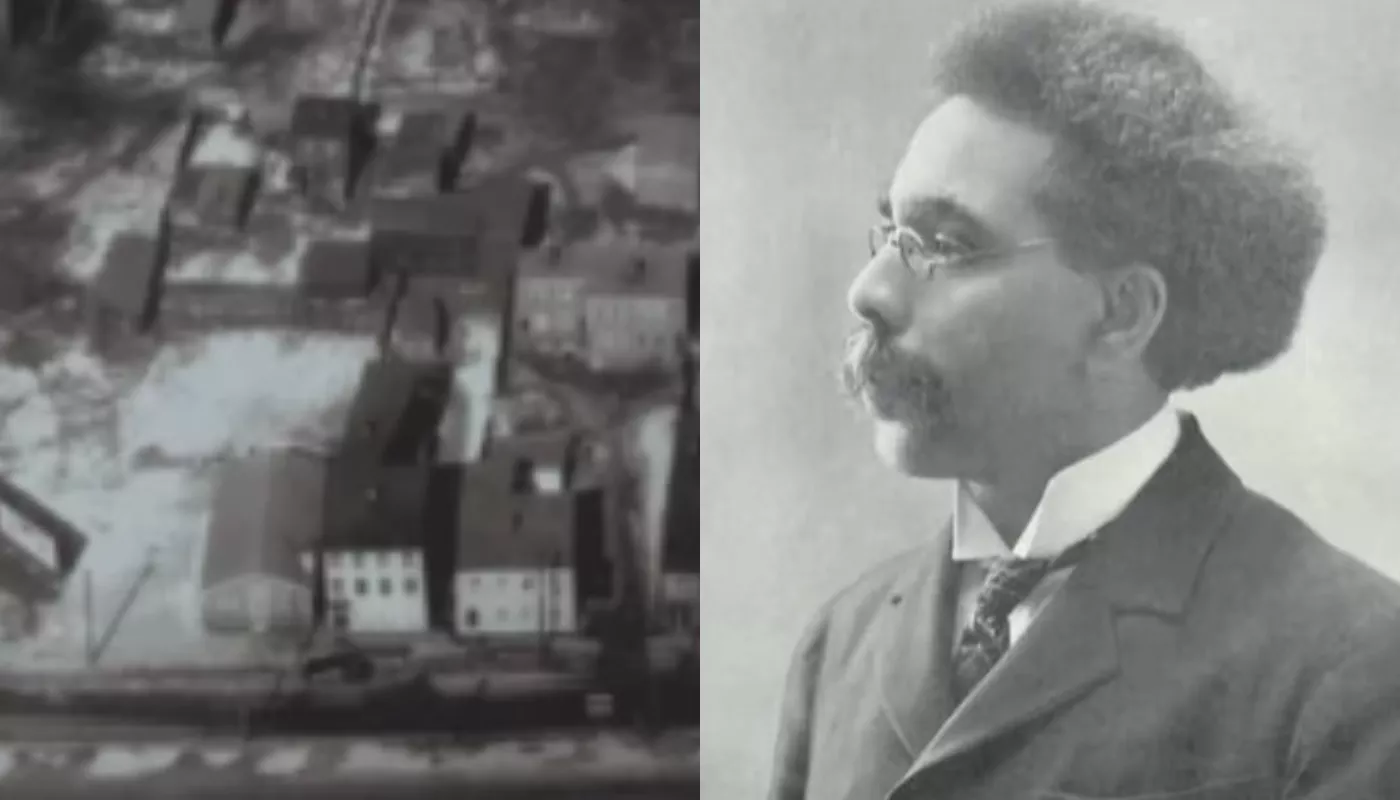
The Black Loyalists and Freedom Fighters’ Arrival in Saint John
Did you know that in 1783, Parr Town (now Saint John, New Brunswick) was one of the first landing points for thousands of Black Loyalists and freedom fighters who supported the British during the American Revolution in pursuit of their liberty?
These settlers resettled across Nova Scotia and New Brunswick, with Saint John serving as a key gateway to this new beginning. From here, some moved on to form communities such as Birch Town, Shelburne, Elm Hill, and Beaver Harbour.
Despite broken promises and harsh conditions, these early settlers laid the foundations for Black communities across New Brunswick — creating a legacy of resilience that continues to this day.
Abraham Beverley Walker: Canada’s Black Legal Trailblazer
New Brunswick-born Abraham Beverley Walker was the first Black Canadian lawyer. After studying law in Washington, D.C., he returned to Saint John to complete his legal apprenticeship and was called to the bar in 1882. He later became the first Black student at the Saint John Law School, an early faculty that eventually became part of the University of New Brunswick.
Walker was also a writer, activist, and advocate for racial equality, challenging discrimination through both his words and actions. In recognition of his pioneering contributions, he was posthumously awarded the Order of New Brunswick in 2019, and a befitting headstone now marks his grave in Saint John.
His legacy continues to inspire Black professionals and leaders across Canada, making him a central figure in the nation’s history of resilience, advocacy, and achievement.
The Coloured People’s Association (CPA)
The CPA was a community space on Hilyard Street, Saint John, in a building owned by Nick Skinner. It became a cultural and social hub for Saint John’s Black community - a place to gather, celebrate, and feel at home.
At a time when many White-owned venues would not welcome Black patrons, the CPA hosted weddings, dances, meetings, and other celebrations. More than just a building, it symbolized identity, resilience, and belonging, reflecting the city’s Black community's creation of spaces for connection and cultural expression, even in the face of exclusion.